The human being is a complex entity endowed with the capacity for understanding and volition, which distinguishes it within the animal kingdom. Our mind is capable of reasoning, reflecting, and making decisions; yet the true essence of this faculty is often questioned. Randomness casts doubt on the actual agency behind our choices, raising the question of whether we act as true agents or are passively driven by forces greater than ourselves.
There are moments in which we feel in control of our existence, capable of shaping our future through our actions. This leads us to question how much of what we do is the result of genuine and conscious awareness. Many of our (non-)decisions are influenced by external factors that may limit
our perception of the options available to us, confronting us with a merely theoretical crossroads.
In this context, Kahneman and Sibony introduce the concept of “noise,” defined as the variability and inconsistency in judgments and decisions made by experts and non-experts alike. Noise functions as a flaw in human reasoning, introducing elements of randomness that may distort choices and assessments. This suggests that even when we believe ourselves to be rational and self-aware, our decisions may be compromised by random factors beyond our control.
We might also consider the impossibility of being fully aware of the consequences of our actions. Every decision we make carries with it a set of outcomes and repercussions that we cannot always foresee. This lack of foresight does not diminish the value of our capacity for understanding and
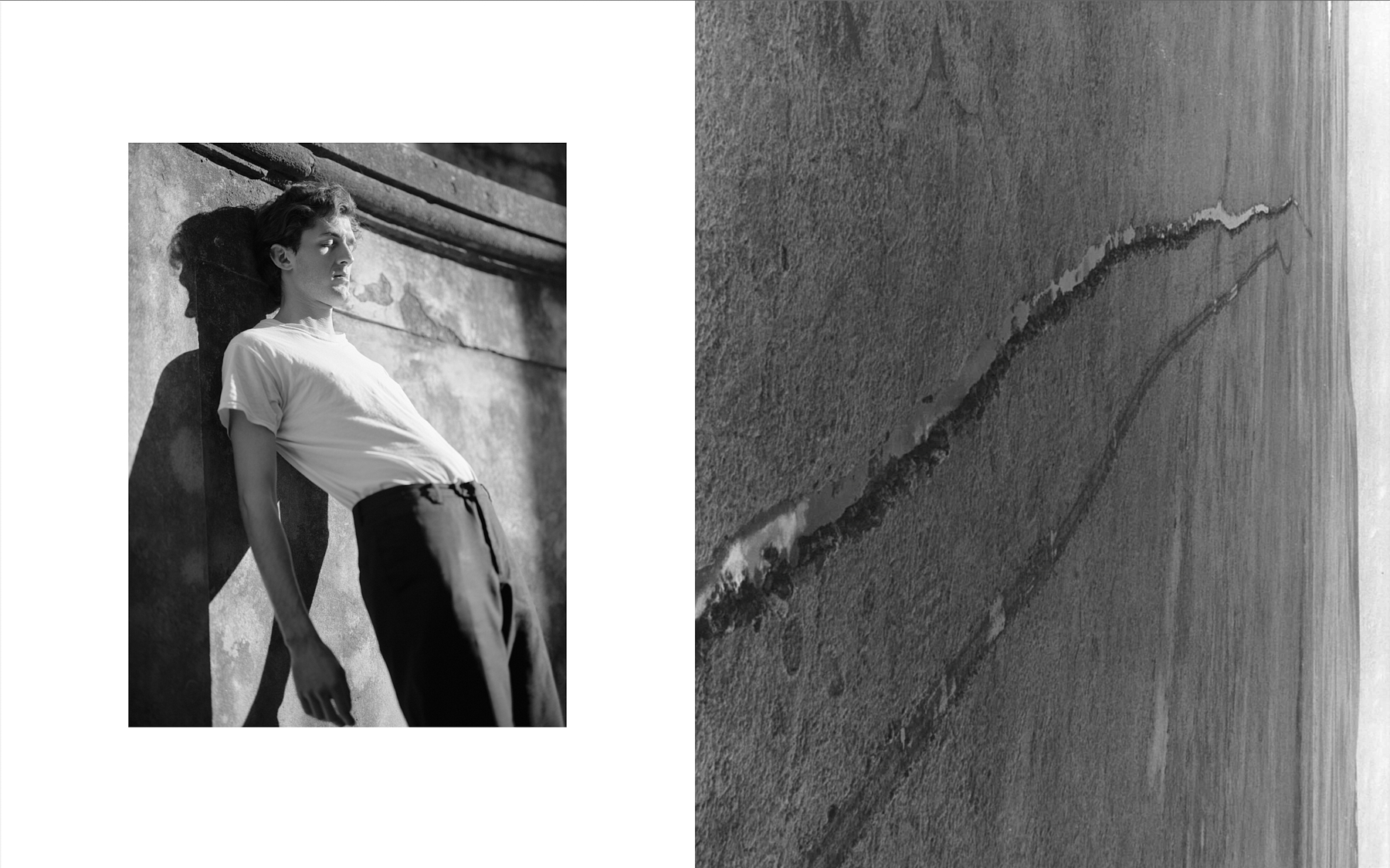
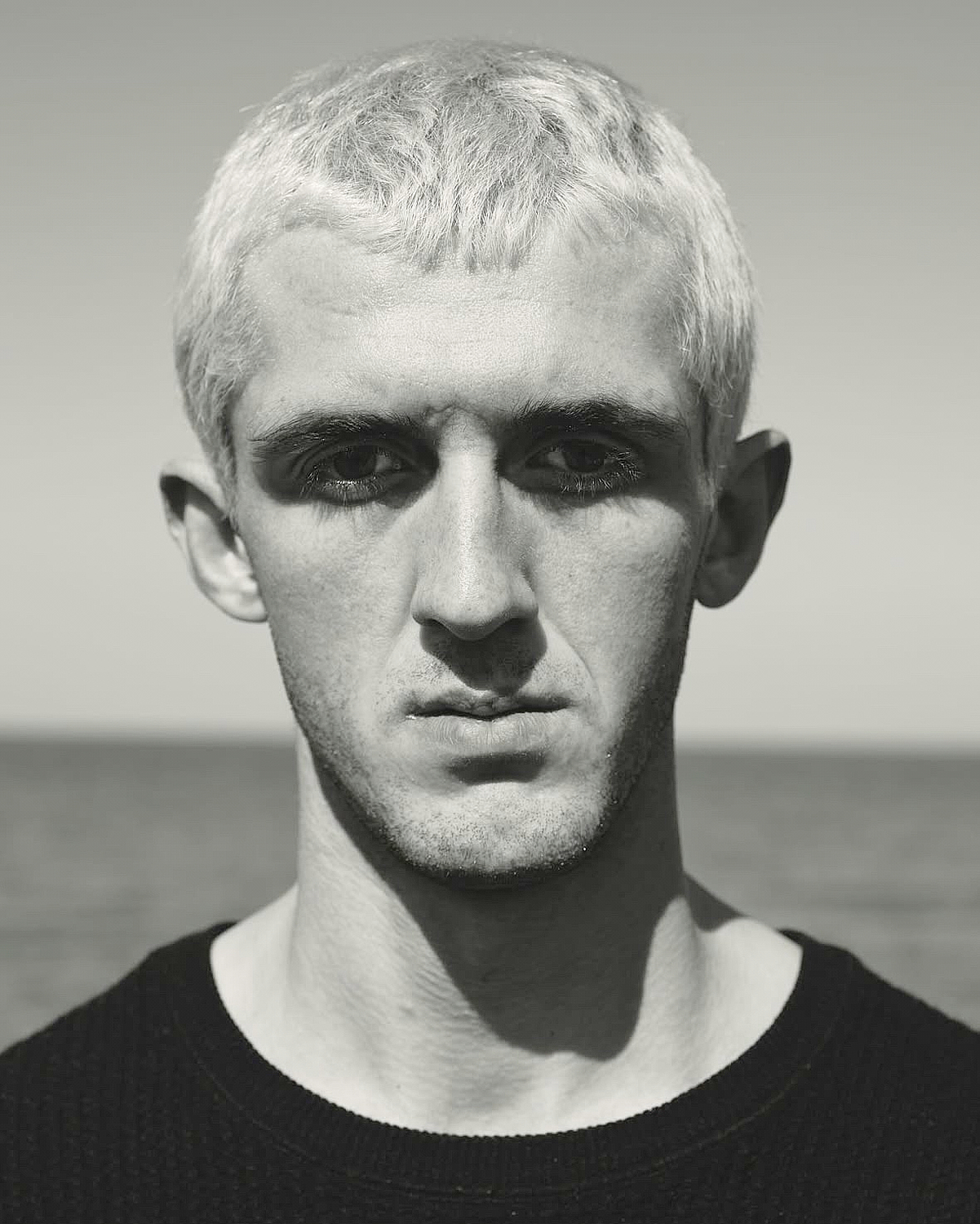
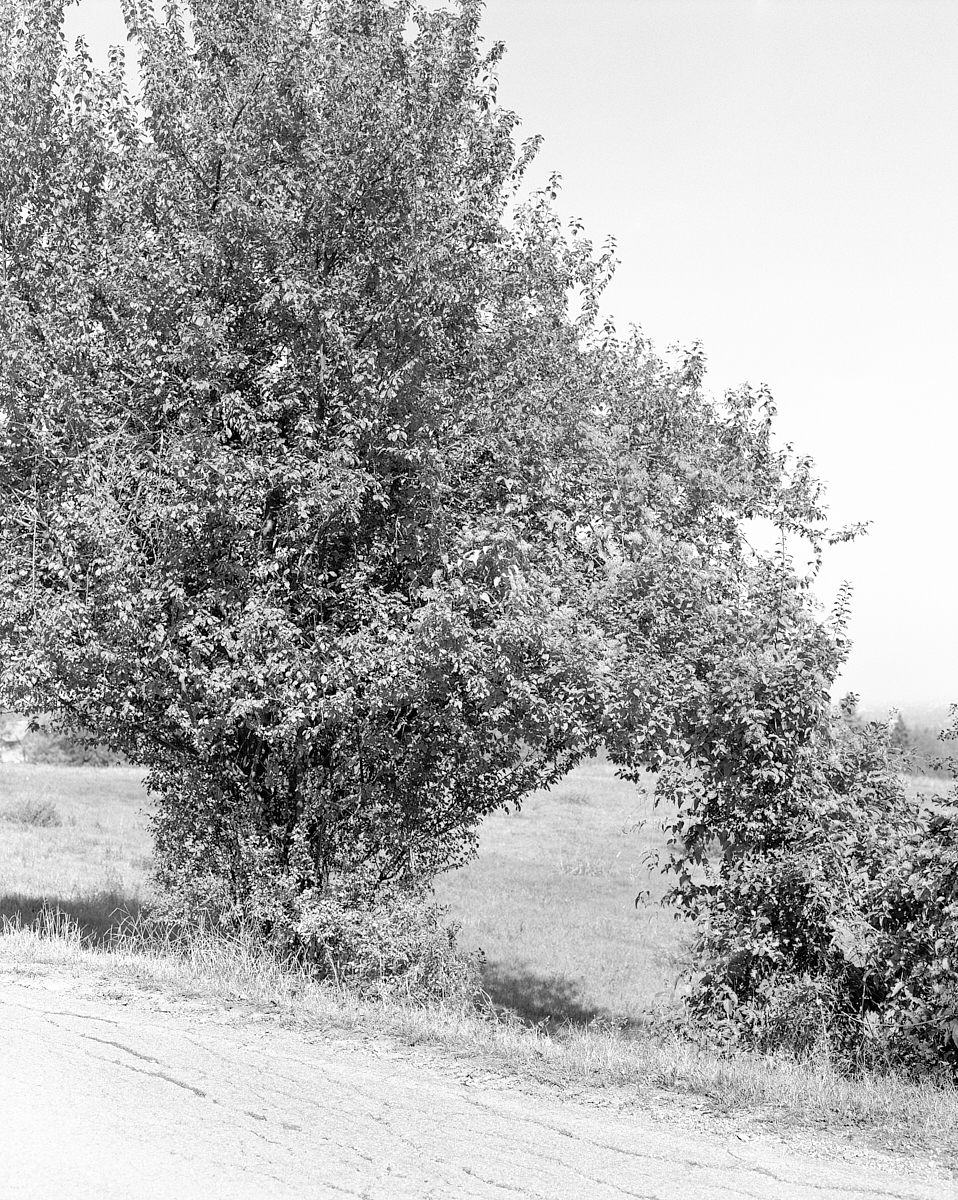
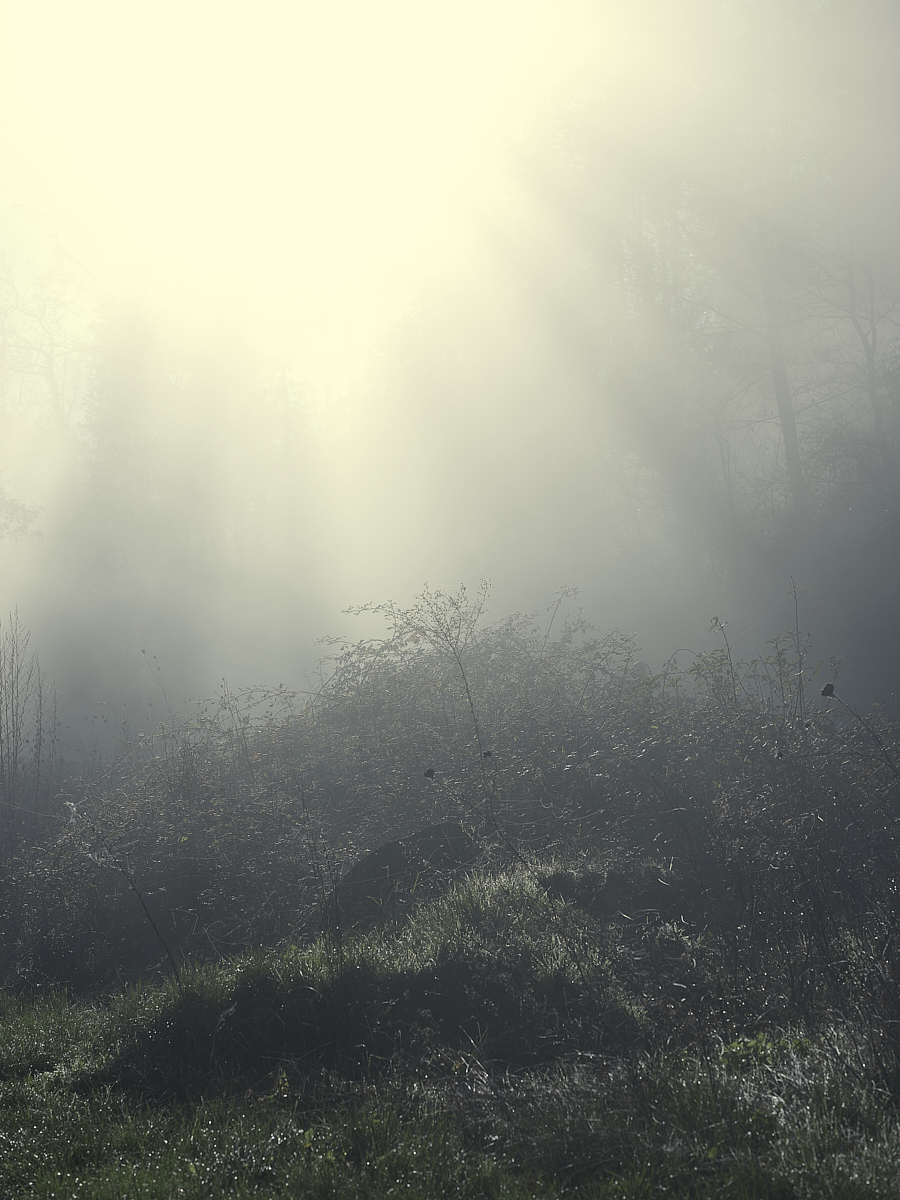
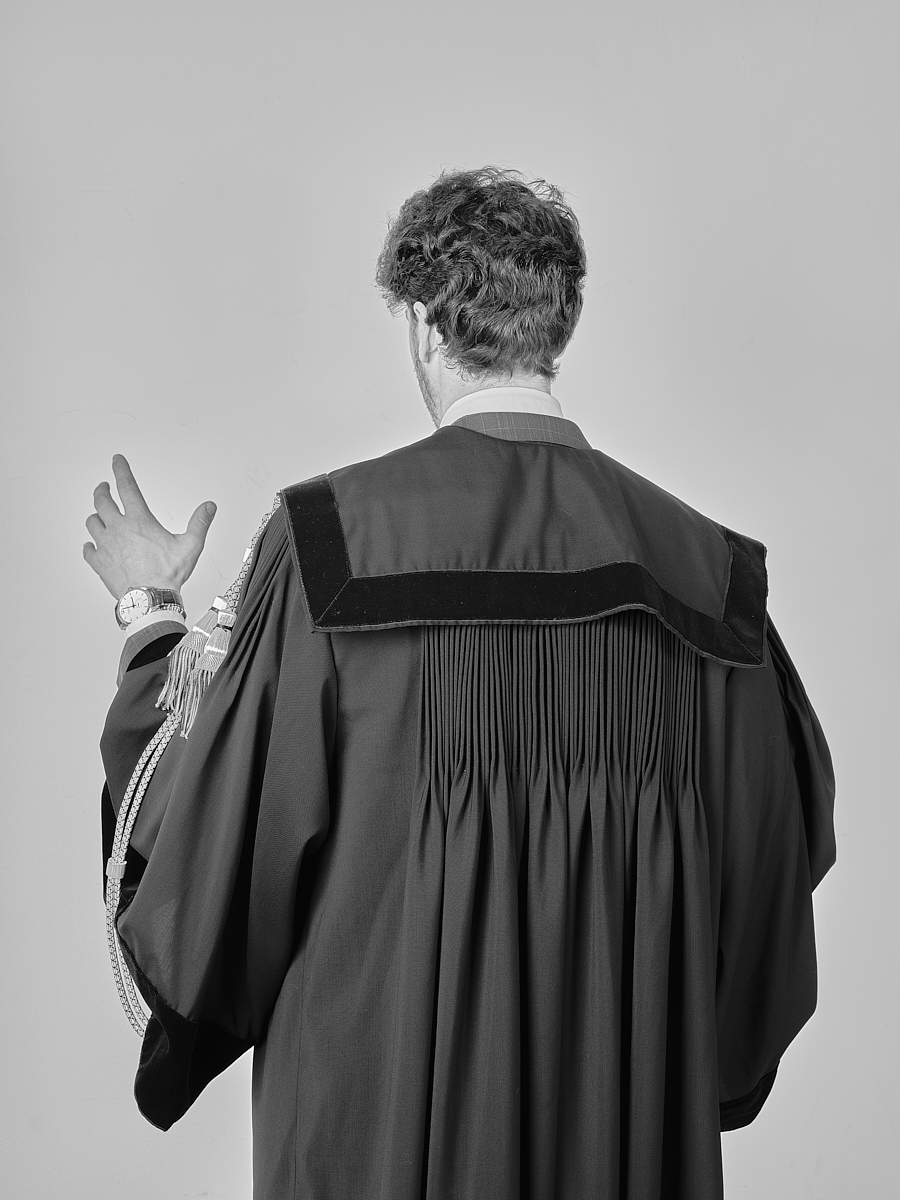
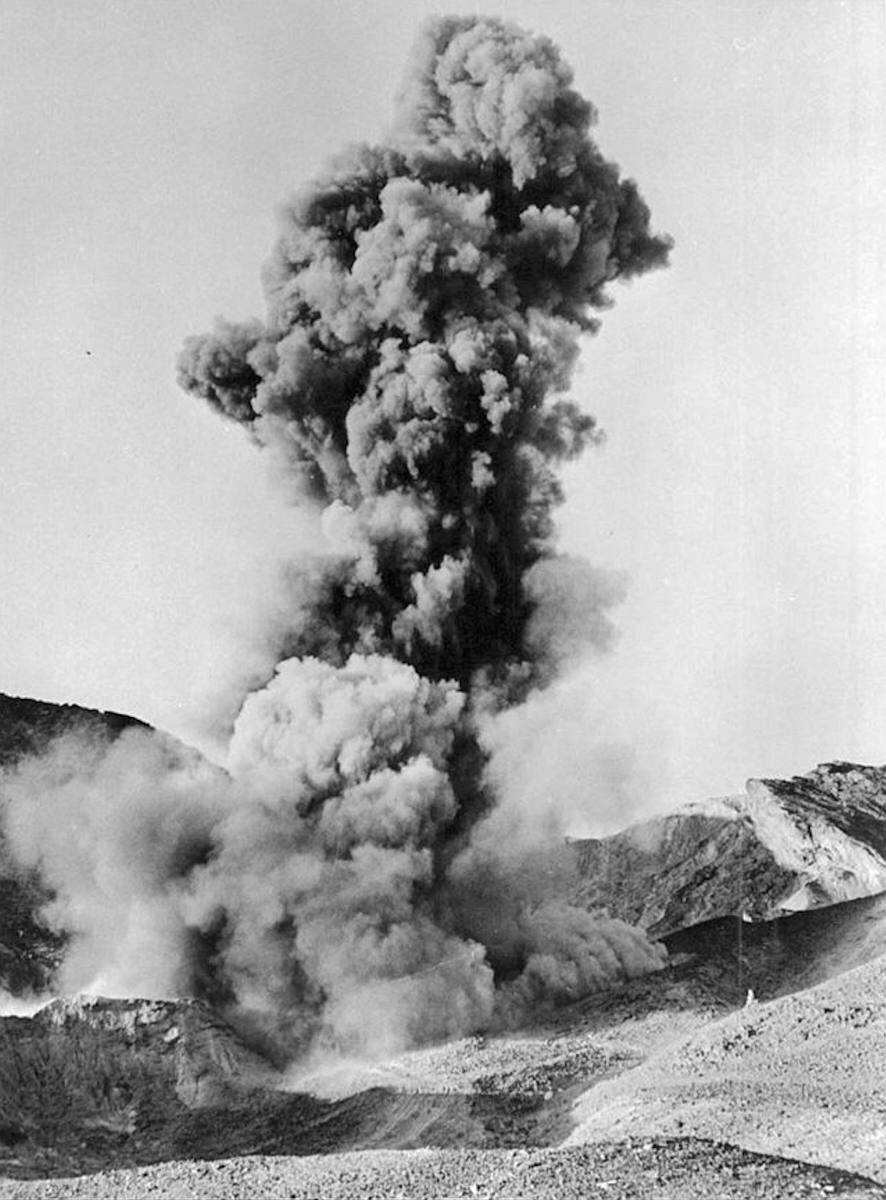
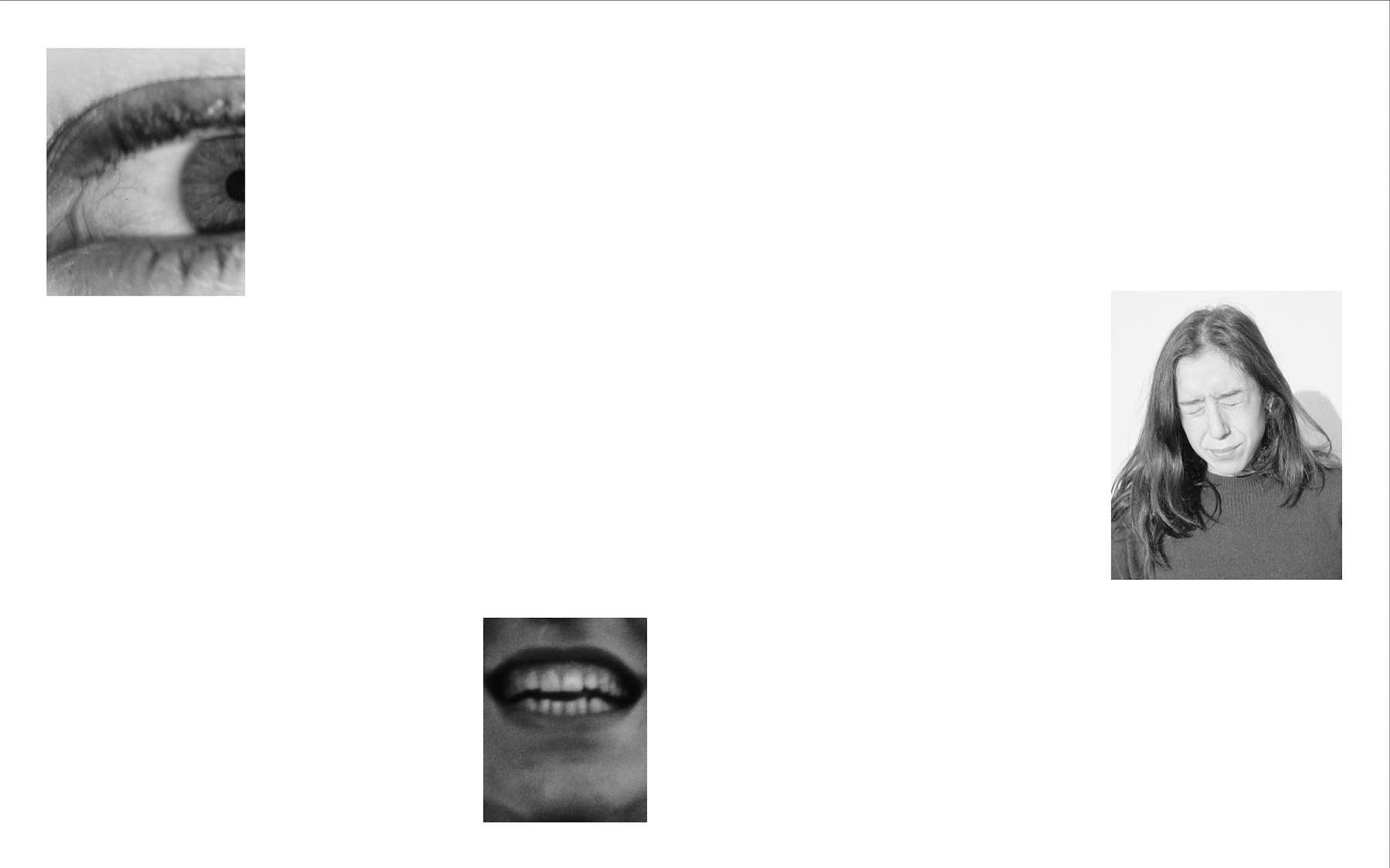
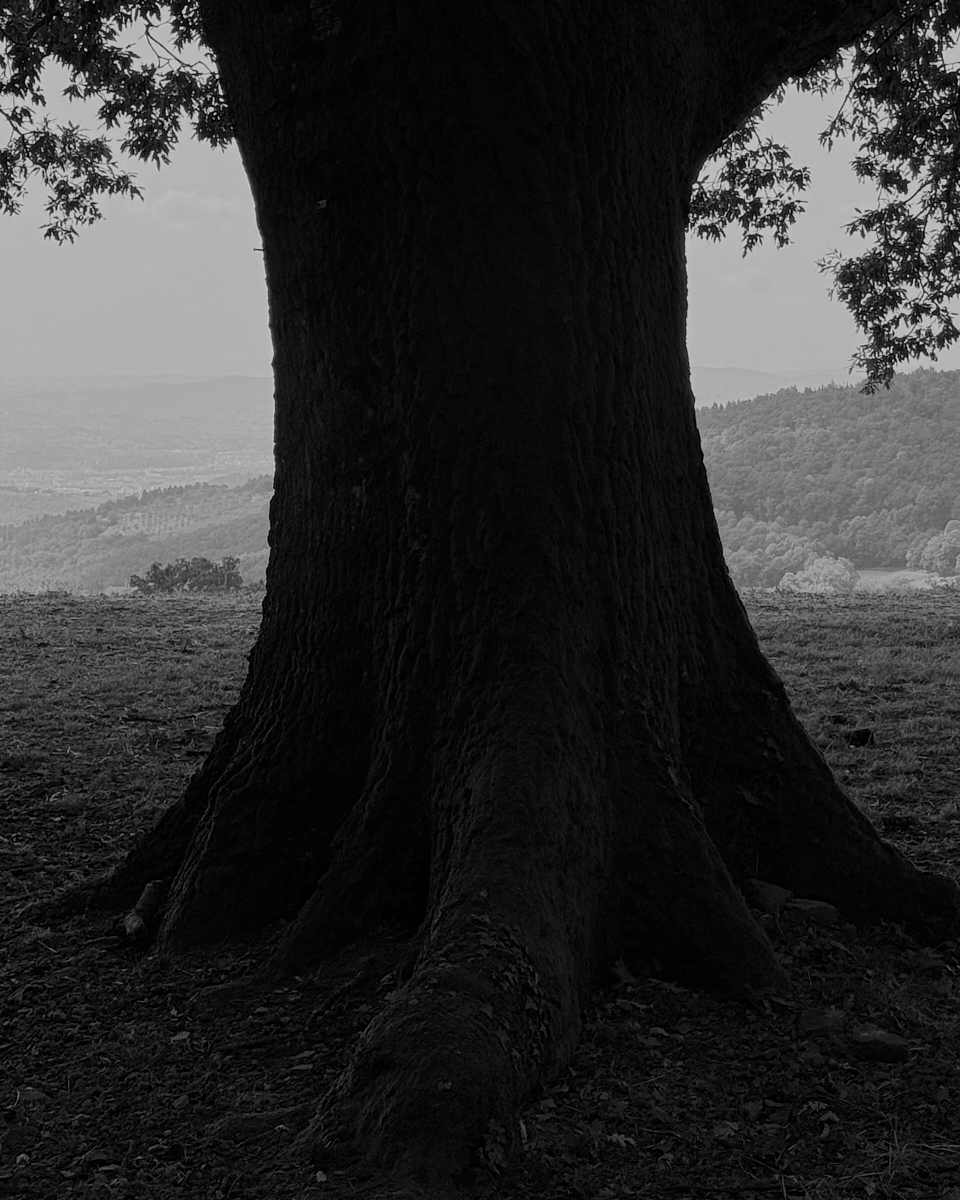
volition, but rather contributes to making each experience unique and meaningful. There is an intrinsic tension between what we perceive as our free will and the circumstances that seem to guide us along a predetermined path. Within this framework, Lingering under the burning sun – through a multimedia approach in which personal photographs intertwine with images from private and public archives as well as screenshots from videos in the public domain – seeks to explore the capacity for understanding and volition as a dynamic process, in which the human being is repeatedly obscured by external factors. These factors act like sharp rays of light, tracing a path that is never entirely certain.
Through the body, humans directly experience external pressures, serving as the point of contact between perceived autonomy and the constraints imposed by the surrounding world, while simultaneously revealing how power and contextual conditions shape our perceptions, actions, and decisions.